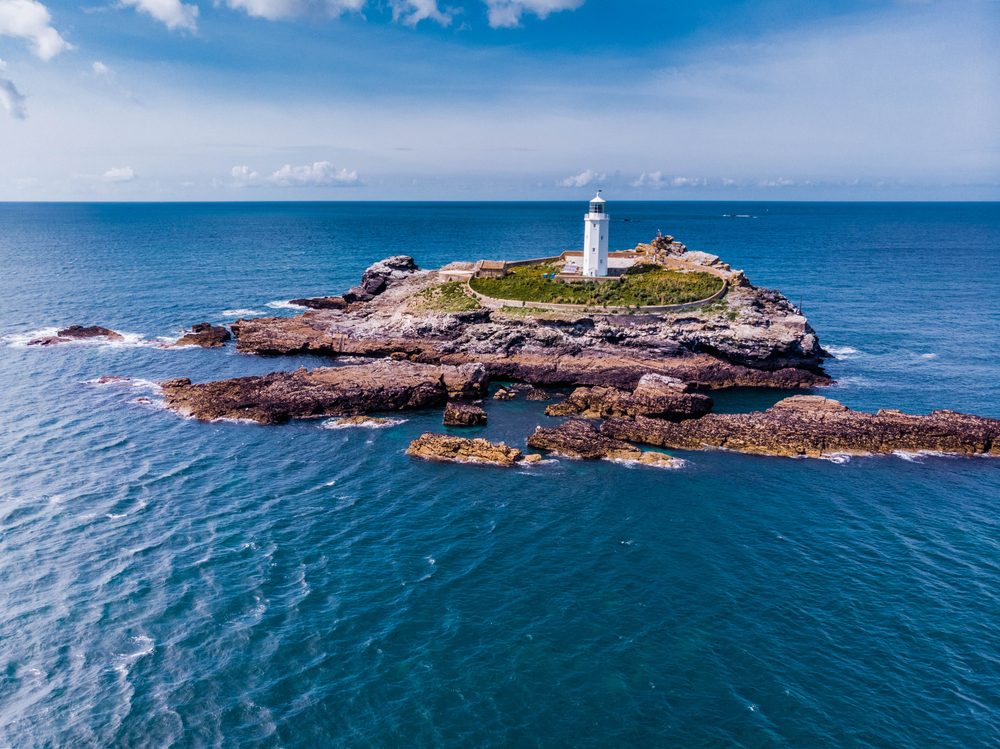
Godrevy Lighthouse
5 min walk
This iconic lighthouse is situated on a small island off the headland and provides a clear backdrop for observing the coastal scenery. It is visible from the same paths used to view the seal colony.
Most visitors searching for seals near st ives picture the harbour, then find the reliable colony sits four miles east across the bay at Godrevy Head. This guide explains where the animals gather, why the tide governs everything, and what a seals near st ives guide should tell you before you set off.
Quick answer
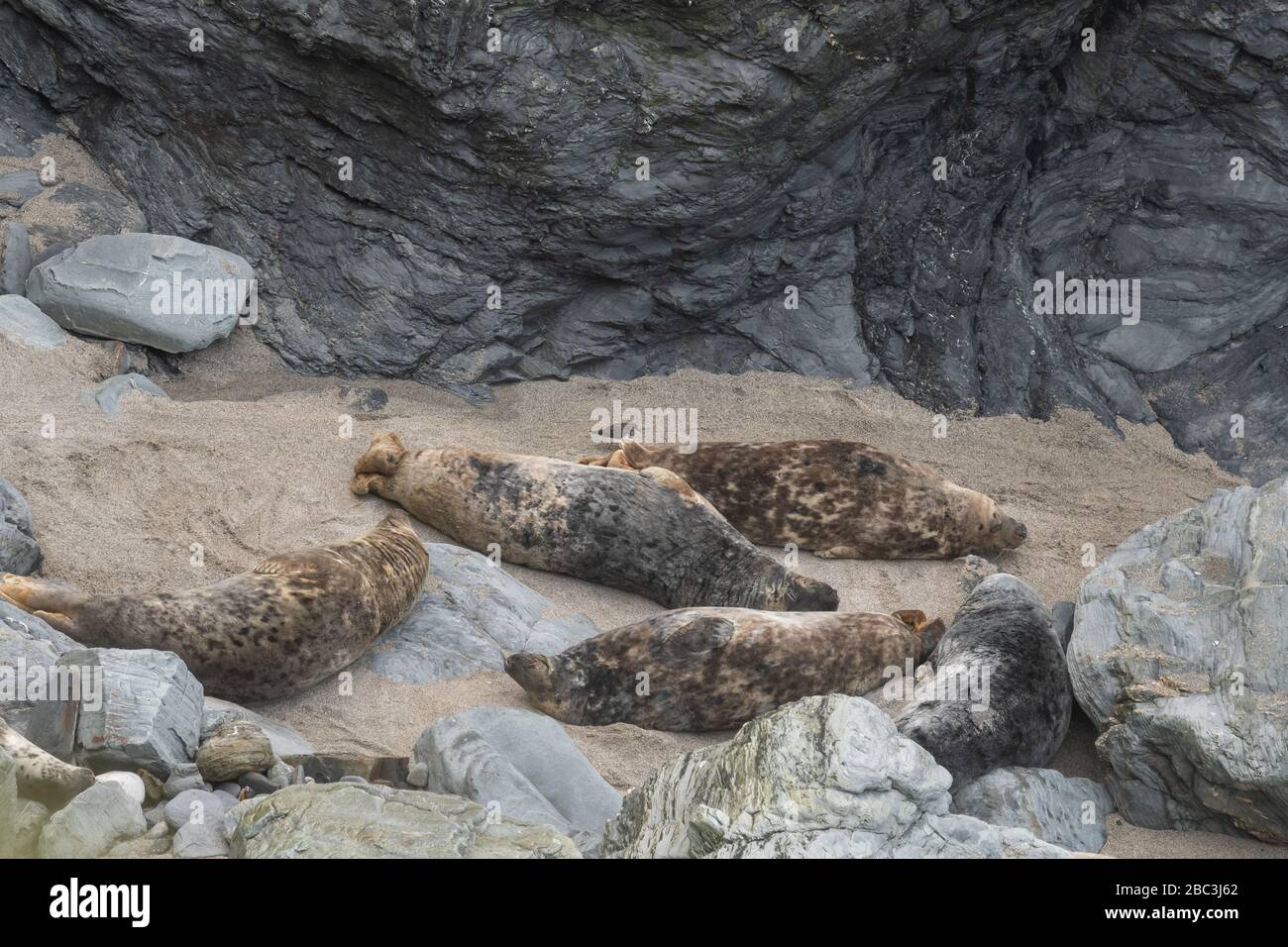
Grey seals gather at Godrevy Head, Hayle, TR27 5ED — roughly a fifteen-minute drive east of town, and free to view from the public coastal paths, with parking charged separately. The clifftop viewpoints are open around the clock, though 06:00–20:00 gives usable light. Seals are most visible hauled out at low tide, so tide tables matter more than the calendar.
The cove below Godrevy Head has a name that gives the game away: Mutton Cove. Grey seals have been hauling out on its sand for generations, and on a settled low tide the beach can hold dozens of them, lying flank to flank in a colour range from cream to near-black. The animals are Atlantic grey seals, Halichoerus grypus — Britain's largest wild carnivore — and Cornwall holds a nationally significant share of the population. Anyone hunting seals near st ives is, in practice, hunting this one cove and the rocks around it. The geography explains the confusion. St Ives faces north into the bay; Godrevy Head closes the bay's eastern arm, marked by the white lighthouse that inspired Virginia Woolf. Between them lie the Towans, three miles of dune and beach that carry the South West Coast Path. Occasional seals do drift into St Ives harbour and around the Island headland, drawn by fishing boats, but sightings there are luck rather than planning. The National Trust land at Godrevy is where the odds turn in the visitor's favour, whether reached on foot along the coast path or as part of a wider Cornwall wildlife itinerary. Tide is the single variable that decides the day. At high water the cove floods and the animals take to the sea, where a dark head in the swell is easy to miss. As the water drops they return to the sand and stay put, often for hours, and that is when a St Ives seal watching trip pays off. Pupping runs through autumn, when white-coated pups appear on the beach and the colony is at its most sensitive; summer brings smaller but steadier numbers, and August 2026 visitors should expect a well-attended clifftop. What to do with that is straightforward. Check the tide first, then decide between the land view and the water. From the clifftop the seals are safely distant, which is the point — the colony is watched from above, never approached. A boat approach out of St Ives harbour trades that elevation for proximity and covers rocks and stacks the path cannot reach. Either way, binoculars turn a grey smudge into an animal, and the coastal footpath keeps seals near st ives a free, unticketed encounter.
“Tide is the single variable that decides the day: at high water the cove floods and the colony takes to the sea.”
The best time to view seals is within the 06:00–20:00 arrival window, specifically focusing on low tide when animals haul out onto the rocks. Daylight hours provide the necessary visibility for spotting them from coastal vantage points.
Cooler, windier conditions, 8°C–14°C
Seals are often more active and present in higher numbers during these months. Winter storms can affect accessibility, so check local conditions.
Mild weather, 10°C–16°C
This period aligns with pupping season, though observing from a distance remains necessary. Clearer days assist with spotting individuals resting on the shoreline.
Warm and sunny, 15°C–20°C
While weather is pleasant, high visitor numbers can make coastal paths busier. Prioritizing early morning arrivals helps avoid peak daytime crowds.
Verdict: The best time to visit is during the shoulder months of April or October, arriving early in the morning at low tide to ensure optimal visibility and fewer crowds.
The coastal paths providing views of seals near St Ives at Godrevy Head remain accessible to the public at all times.
Access to the coastal paths near St Ives for viewing seals is provided without an entrance fee. Costs associated with visiting the site are limited to parking fees.
Verdict: A typical adult pays 0 GBP for entry, though parking charges vary based on vehicle duration and National Trust membership status.
The primary location for viewing seals near St Ives is Godrevy Head, located on the northern coast of the St Ives Bay area. The most direct approach is by car via the B3301 road.
Follow the B3301 coast road from St Ives toward Hayle and Gwithian
Follow the South West Coast Path from Gwithian Beach toward Godrevy Point
Take the Atlantic Coaster bus to the Gwithian turn-off, followed by a walk
Address your journey to Godrevy Head, Hayle, TR27 5ED. Parking is available at the National Trust car park at Godrevy, which serves as the main access point for the coastal paths leading to the seal viewing areas.
Grey seals at Godrevy Head haul out on the beach below the cliffs to rest, moult and nurse pups, and a single startled stampede into the water can separate mothers from pups or injure animals on the rocks. Watching from the clifftop viewpoints keeps the colony undisturbed and keeps you off unstable ground.
The coastal area around Godrevy offers several landmarks that complement a seal-spotting trip. These locations provide further opportunities to explore the Cornish coastline along the same stretch of headland.
5 min walk
This iconic lighthouse is situated on a small island off the headland and provides a clear backdrop for observing the coastal scenery. It is visible from the same paths used to view the seal colony.
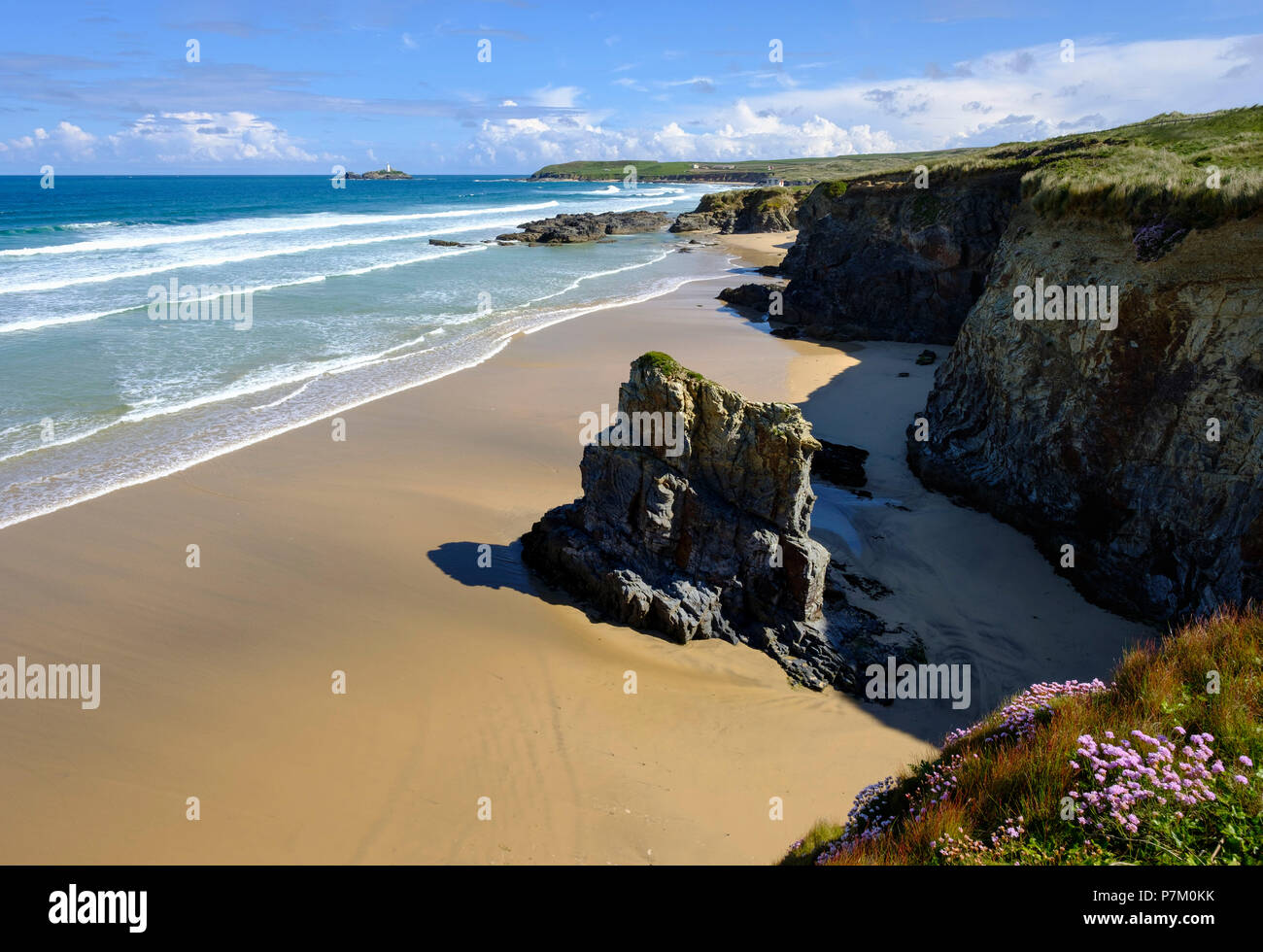
15 min walk
Extending southeast from the headland, this expansive sandy beach offers a contrast to the rocky seal coves. It is a suitable location for those looking to walk along the shore after watching the wildlife.
10 min drive
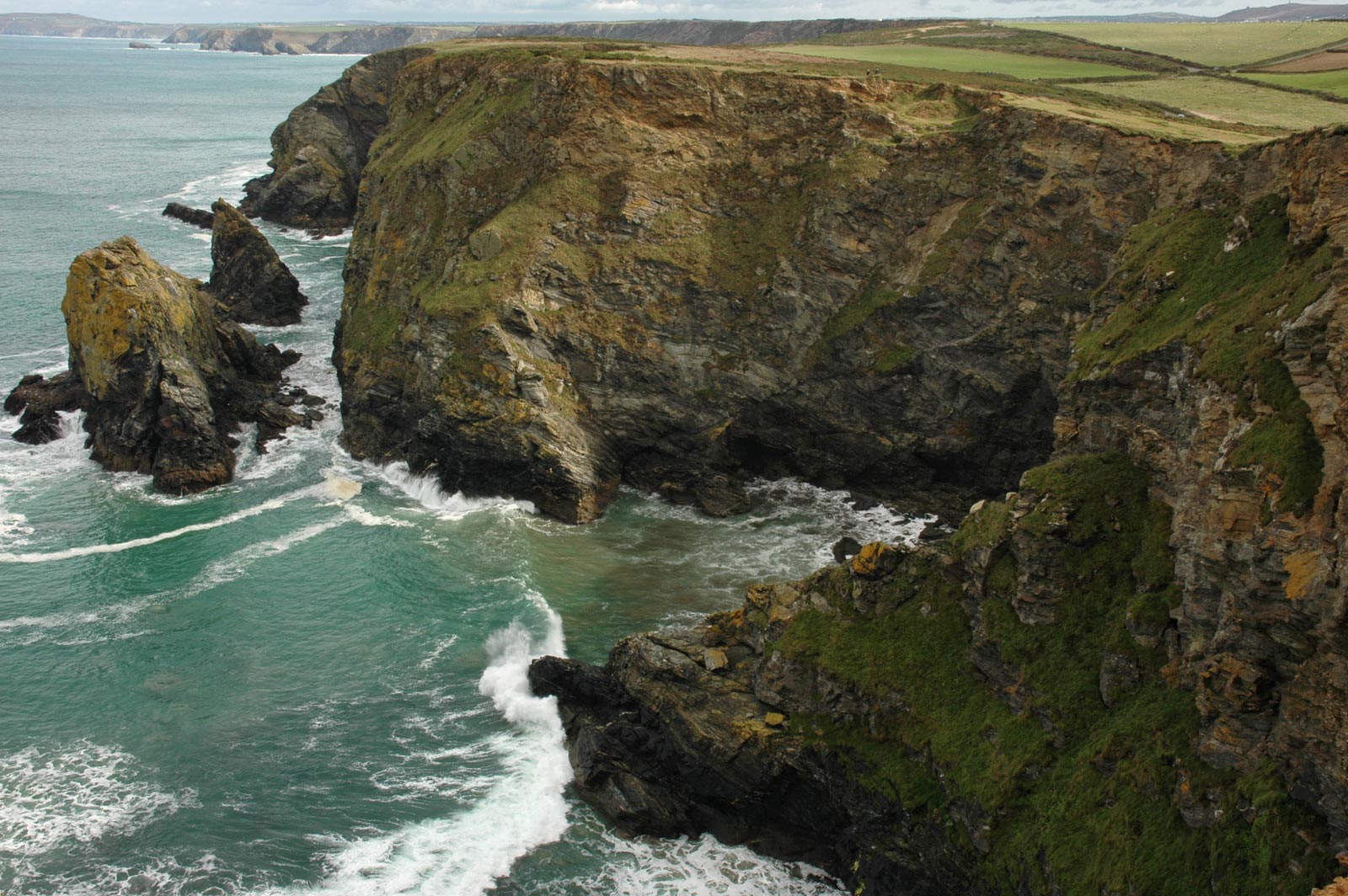
Located along the coastal road, this dramatic cliff formation offers wide views of the Atlantic. It serves as a natural extension for visitors touring the north coast of St Ives Bay.
Everything you need to know about seals near st ives
You can view wild seals near St Ives at Godrevy Head, where they are frequently hauled out on the rocks and beaches. This site offers excellent coastal vantage points to observe the colony in their natural habitat.
There is 0 GBP entrance fee to view the seals from public coastal paths. Please note that parking fees apply if you are arriving by car at the National Trust site.
The best arrival window is between 06:00 and 20:00 to ensure maximum daylight for viewing. Seals are most visible when hauled out on the shore during low tide.
While viewing from the coast is popular, a St Ives boat trip provides a different perspective on local marine life. You can check available excursions to see these mammals from the water.
For the safety of the wildlife, it is important to stay on marked coastal paths rather than approaching the colony on the beach. Respecting the animals ensures they remain undisturbed in their environment.
The location is Godrevy Head, Hayle, TR27 5ED. This area is managed by the National Trust and is a primary spot for those searching for seals near St Ives.
The coastal paths around Godrevy offer varying terrain, so it is recommended to wear suitable footwear. Observing seals near St Ives is best done from a distance to minimize human impact on the marine mammals.