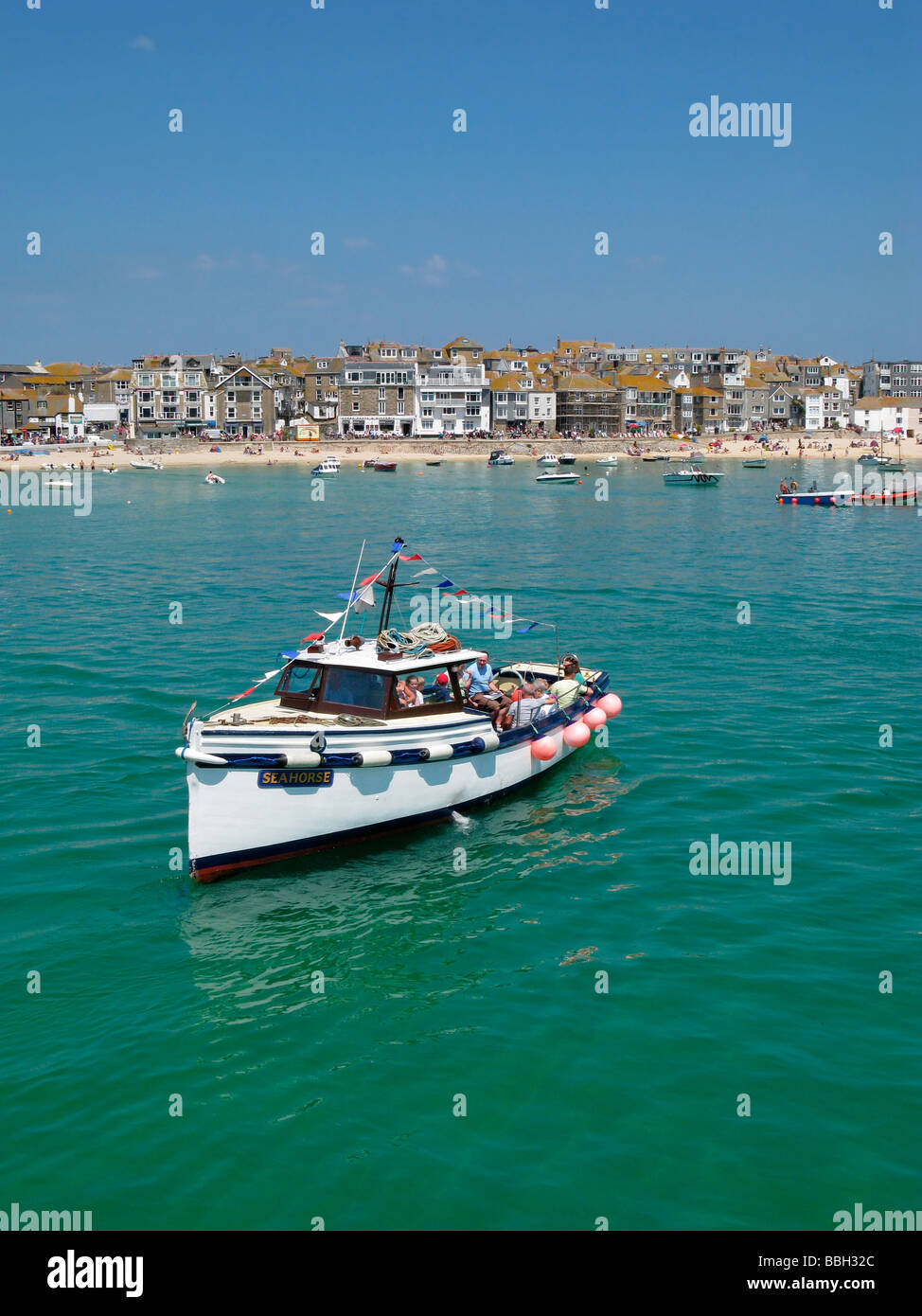
Vessel Bow Angle
Morning or late afternoon
Position yourself at the front of the boat for an unobstructed view of Seal Island as the vessel approaches. This angle provides a clean perspective of the seals hauled out on the rocks against the horizon.
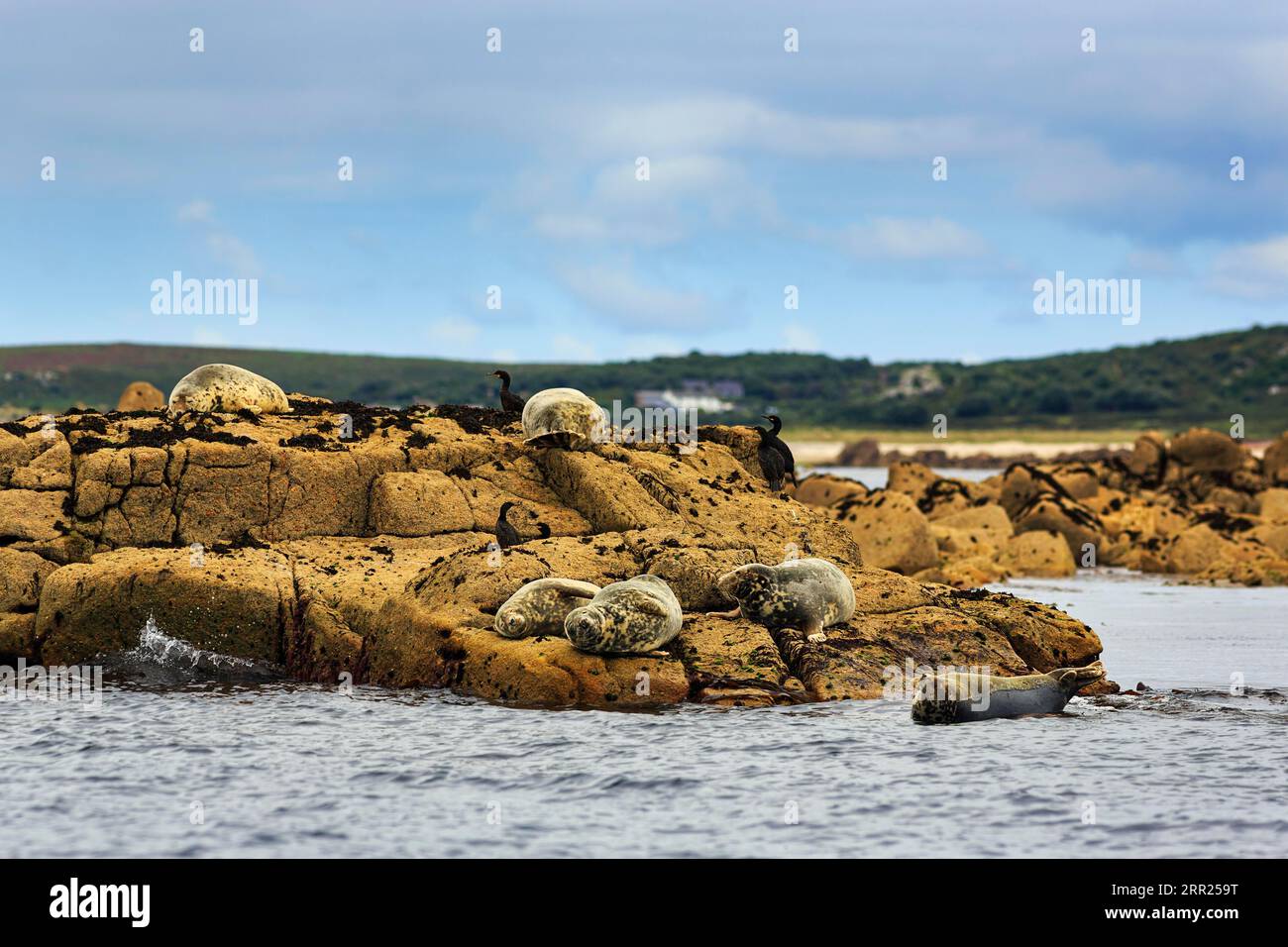
Seal Island is a nickname for The Carracks, a granite outcrop off the coast between St Ives and Zennor where grey seals haul out on the ledges. This page explains what pictures taken from the water actually show: the light, the swell, and the distance the animals choose. Read it before booking a St Ives seal watching trip.
Quick answer
Most Seal Island photographs come from the standard one-hour seal watching trip that leaves St Ives Harbour, priced at 30 GBP per adult. Expect grey seals hauled out on the granite ledges of The Carracks, photographed from a moving deck rather than dry land. Swell, spray and light matter more than camera specification, and no operator guarantees a close approach.
Seal Island is not an island. The name belongs to The Carracks, a low scatter of granite rocks lying off the coast between St Ives and Zennor, exposed at most states of the tide and never large enough to walk on. Grey seals — Halichoerus grypus, the larger of Britain's two seal species — haul out on the sloping ledges to rest and moult, and it is that habit, not the geology, that fills camera cards. Anyone searching for seal island st ives boat trips photos is really looking at the same handful of rocks photographed from a boat that is rarely still. Every image from a St Ives seal watching boat tour is shaped by three things the photographer does not control: swell, light and the animals' mood. Vessels leave from the harbour beside Smeaton's Pier and cross open water in St Ives Bay, where Atlantic swell reaches the hull even on calm mornings. A moving deck removes the tripod from the equation. Shutter speed becomes the whole argument — fast enough to freeze a rolling hull, wide enough aperture to keep it there when cloud thickens over the Zennor cliffs. Skippers cut engines on approach and let the boat drift, which steadies the frame for a minute or two at a time. Seals are curious and often swim to the boat, but they set the distance, not the passenger. Seals are not the only subject. Cormorants dry their wings on the higher rocks, kittiwakes and guillemots work the water in early summer, and gannets from further offshore cut through the bay in numbers when mackerel shoal. Dolphins appear without warning and without schedule. On the return leg the coastline does most of the work: the Godrevy Lighthouse stands white against the far side of the bay, and the town rises behind the harbour wall in a stack of slate and granite. Wildlife photography here is governed by distance rules that skippers observe as a matter of licence, so a longer lens does more than a bolder approach ever will. Two hundred millimetres is a sensible minimum on a crop body; a phone will record the outing but not the whiskers. The practical lesson is to treat the photographs as a record rather than a target. Trips run on the Atlantic's terms, and any Cornwall wildlife cruise can be cancelled or turned back when the sea gets up; operators reschedule rather than push out into conditions that would ruin both the sighting and the shot. Passengers who sit low and near the stern get a cleaner horizon and less spray on the front element. A microfibre cloth in a pocket is worth more than a spare battery. Those comparing seal island st ives boat trips photos before booking should read them as a range of outcomes across a summer of weather, not as a promise: the same rocks look flat and grey under high cloud, and sculptural at the edges of the day. Booking pages on this site list the trips that sail from St Ives Harbour, with departure details confirmed before sailing.
“The rocks do not change; the light and the swell decide every photograph taken from the water.”
Morning or late afternoon
Position yourself at the front of the boat for an unobstructed view of Seal Island as the vessel approaches. This angle provides a clean perspective of the seals hauled out on the rocks against the horizon.
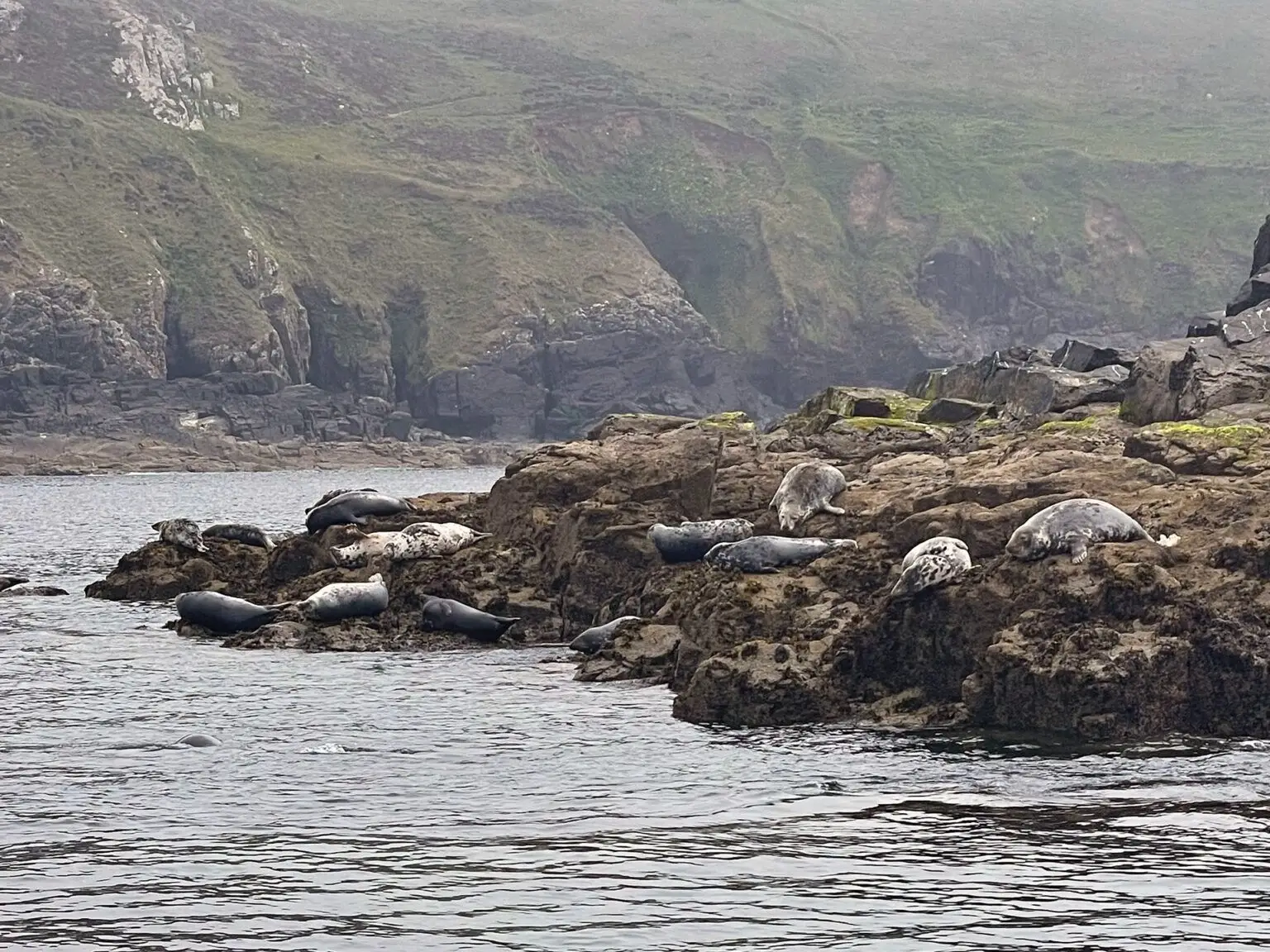
Morning or late afternoon
The starboard side often offers closer proximity to the rocky outcrops where the seals congregate. Keep a low profile to capture the seals at eye level as the boat navigates the perimeter.
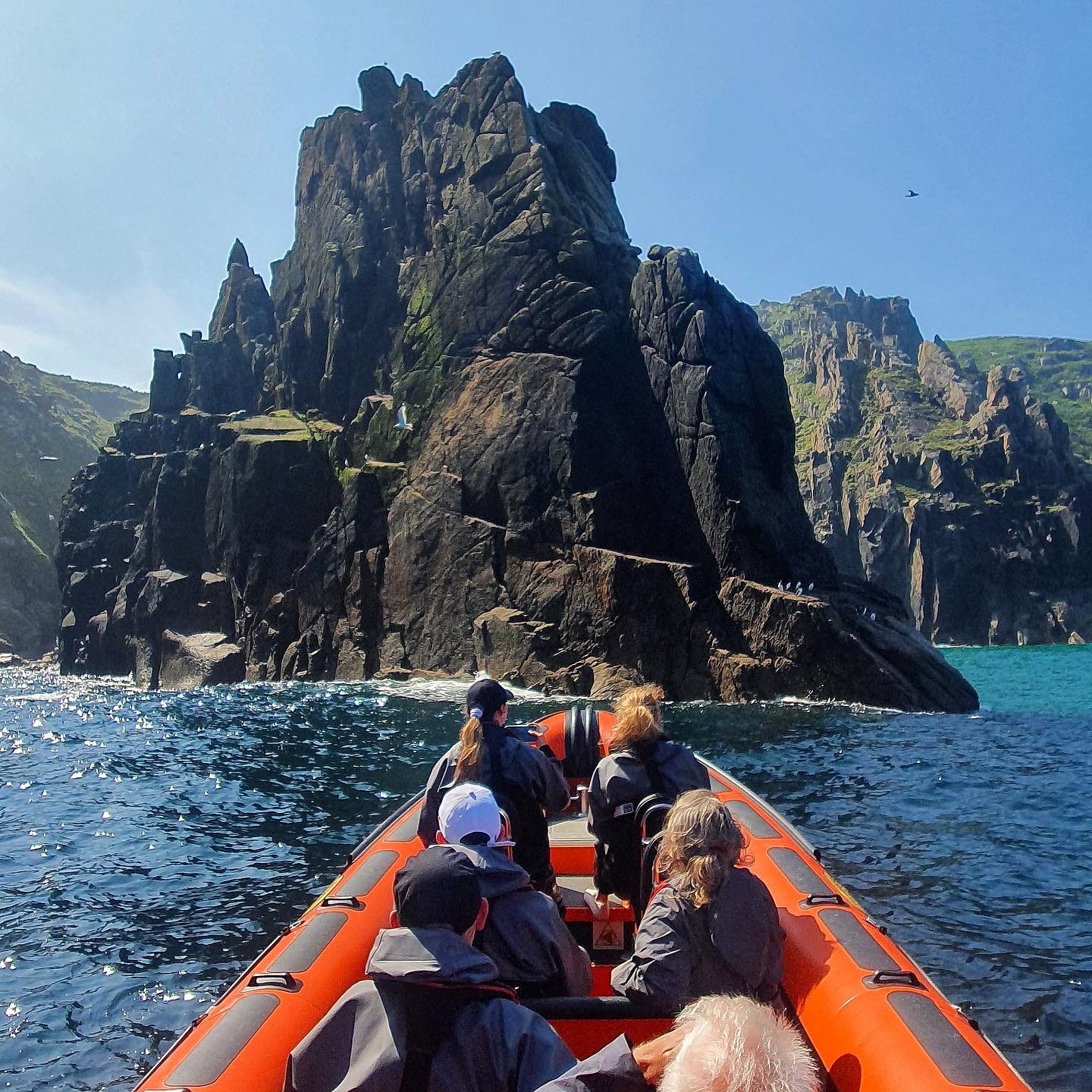
Morning or late afternoon
Move to the rear of the boat to photograph the wake combined with the rugged coastline and lighthouses in the background. This viewpoint captures the broader context of the journey.
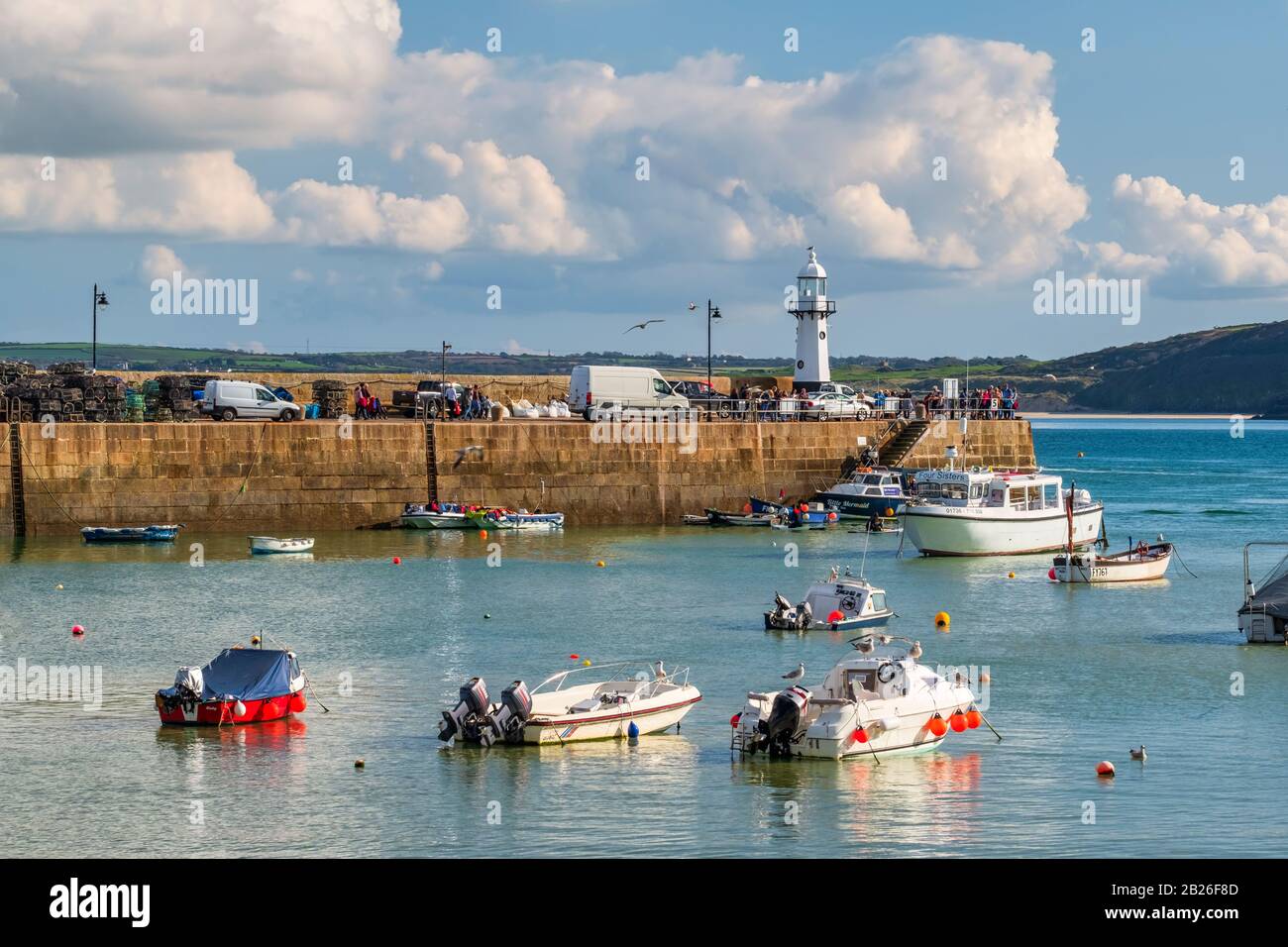
Morning or late afternoon
Capture the start of the trip from the St Ives harbour mouth to frame the traditional fishing boats against the Atlantic backdrop. This serves as a primary reference point for your photo collection.
The best arrival window for capturing seal activity and optimal light is between 09:30 and 18:00. Morning and late afternoon periods provide the most favorable lighting for photography and frequent wildlife sightings.
Mild 10°C to 15°C, clearer skies.
Consistent wildlife sightings and softer natural light perfect for photography.
Warm 16°C to 20°C, sunny.
Active seals and longer daylight hours offer more flexibility for scheduling trips.
Cool 12°C to 17°C, variable.
Reduced visitor numbers allow for quieter boat trips and calm sea conditions.
—
Reduced congestion on the water ensures better positioning for photography opportunities.
Verdict: Plan your trip for weekday mornings during April or October to benefit from lower visitor numbers and ideal lighting conditions.
Boat trips to Seal Island operate daily throughout the week. The schedule remains consistent to assist with your travel planning.
Seal Island boat trips depart directly from St Ives Harbour, located at St Ives Harbour, St Ives, Cornwall, TR26 1LF, UK. The harbour is centrally positioned and easily accessible on foot from all primary town parking areas.
GWR line to St Ives station, then walk
A30 to A3074 into St Ives
Follow signs for St Ives Harbour
Parking in St Ives is limited, so utilize the St Ives Park and Ride at St Erth station or arrive within the 09:30–18:00 window to secure a space. Head directly to the harbour front where staff will guide you to your departure point.
Everything you need to know about seal island st ives boat trips photos
When gathering seal island st ives boat trips photos, ensure your camera equipment is protected from salt spray and potential splashes. It is often helpful to use a zoom lens to capture clear imagery of the seals resting on the rocks without disturbing their natural habitat. Many visitors find that the morning light provides excellent conditions for high-quality seal island st ives boat trips photos.
The optimal time to visit is during the morning or late afternoon to experience the best wildlife activity and weather conditions. Planning your trip between 09:30 and 18:00 helps ensure you are on the water during these favorable periods. Always check availability in advance to secure your preferred slot for a St Ives seal excursion.
While capturing seal island st ives boat trips photos, please remain seated and follow the skipper's instructions to maintain safety for all passengers. Avoid sudden movements that could startle the marine life during the observation window. Respecting the animals and the environment ensures a productive session for everyone interested in wildlife photography.
The standard adult fare for a 1-hour seal watching trip is 30 GBP per person. This fee covers your seat on the boat and the guided experience around the coast. Please note that all bookings are managed through the official site to ensure a verified spot for your trip.
Children are generally welcome to join these boat trips, providing an educational opportunity to see local marine life. Families should supervise children closely throughout the excursion for their safety and to minimize disruption to the wildlife. Check the booking information for any specific age-related requirements or recommendations for young travelers.
Boats depart from St Ives Harbour, located in Cornwall at TR26 1LF. This central location makes it easy to find your departure point within the town. Arriving with plenty of time before your scheduled slot allows for a smooth boarding process.
Beyond the seal colony, passengers often spot various species of seabirds and occasionally larger marine life depending on the season. The coastal route offers a unique vantage point for viewing the rugged Cornish shoreline and cliffs from the water. Keep your camera ready as you never know what interesting wildlife might appear during your journey.